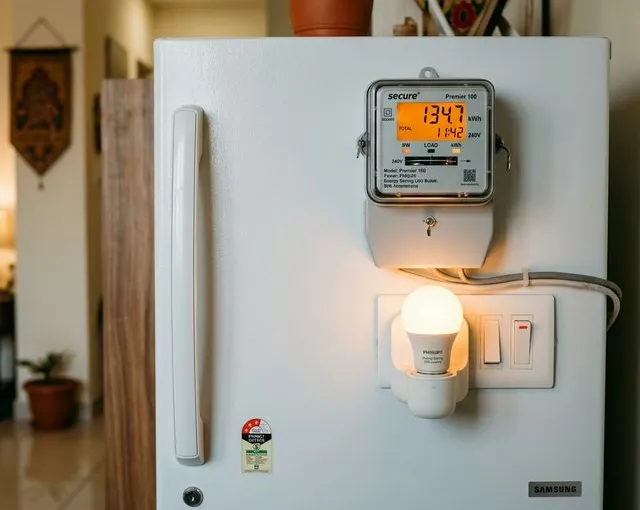
How to Reduce Your Refrigerator's Electricity Bill: 5 Proven Hacks
How to Reduce Your Refrigerator’s Electricity Bill: 5 Proven Hacks
Your refrigerator never sleeps. Unlike your TV, fan, or lights — which you switch off — the fridge runs every single minute of every single day. That makes it one of the biggest contributors to your monthly electricity bill, quietly adding up while you’re not paying attention.
The good news? A few simple habits and maintenance checks can meaningfully reduce how much your fridge consumes — often saving between ₹150 to ₹300 per month without buying anything new.
Here are 5 hacks that actually work.
Hack 1: Set the Right Temperature (Most People Get This Wrong)
The most common mistake Indian households make is setting the refrigerator temperature too cold. Colder settings force the compressor to work harder and longer, consuming significantly more electricity.
What the right temperature looks like:
- Fridge compartment: 3°C to 5°C
- Freezer compartment: -15°C to -18°C
Setting the fridge at 1°C or 2°C doesn’t keep food noticeably fresher — but it does make your compressor run more cycles, adding to your power bill.
How to check:
Place a small thermometer inside for a few hours. Most modern inverter fridges show the temperature on a digital display — verify that it matches what you’ve set.
Quick Win: Moving your fridge temperature from 1°C to 4°C can reduce energy usage by up to 10–15% with zero other changes.
Hack 2: Clean the Condenser Coils at Least Once a Year
The condenser coils at the back (or underneath) of your refrigerator release the heat your fridge removes from food. When these coils are covered in dust, the heat can’t escape efficiently — and your compressor has to work harder to compensate.
Signs your coils need cleaning:
- The back or bottom of your fridge feels unusually hot
- The compressor runs almost continuously
- Your electricity bill has quietly crept up
How to clean them:
- Unplug the fridge
- Pull it gently away from the wall
- Use a soft brush or a vacuum with a soft attachment to remove dust from the coils
- Push the fridge back and ensure there is at least 5–8 cm of gap behind it for airflow
Tip: This is one of the most underrated maintenance tasks for any refrigerator. Most people never do it — and pay the price in electricity costs.
Hack 3: Check and Fix Your Door Gaskets
The rubber seal around your fridge door (called the door gasket) is what keeps cold air in and warm air out. Over time, these seals stretch, crack, or become loose — letting cold air escape continuously.
The simple paper test:
Close the fridge door on a piece of paper. If you can pull the paper out easily, the seal is weak and needs attention.
What to do:
- Mild issue: Clean the gasket with warm water and a soft cloth. Grease around petroleum jelly to restore flexibility.
- Visible cracks or gaps: The gasket needs to be replaced. This is a relatively inexpensive repair and will immediately reduce electricity waste.
Why this matters:
A leaking door seal means your compressor turns on far more often to compensate for the lost cold air. Fixing it can cut energy use by 5–10% in a poorly sealed fridge.
Hack 4: Don’t Put Hot Food Directly in the Fridge
This is a habit issue — and a very common one. Placing hot or warm food directly into your refrigerator forces the appliance to work hard to cool it down, spiking electricity consumption temporarily and putting extra stress on the compressor.
Better practice:
- Let cooked food cool to room temperature first (typically 20–30 minutes)
- Then cover it and place it in the fridge
- Avoid leaving it out more than 2 hours to stay food-safe
The secondary benefit:
Hot food also raises the internal temperature around nearby items, making the fridge work to re-cool everything — not just the new dish.
Hack 5: Avoid Leaving the Door Open and Don’t Overload Shelves
Don’t stand with the door open:
Every second the fridge door is open, warm air rushes in and cold air flows out. The compressor then kicks in to restore the internal temperature. Habitually leaving the door open for long — while deciding what to eat — adds up significantly over weeks and months.
Fix: Mentally decide what you want before opening the door. In and out in under 30 seconds.
Don’t overload shelves:
A fridge that’s packed too tightly doesn’t allow cold air to circulate properly. Food in the centre of a crowded shelf may not cool adequately, leading the thermostat to run longer and consume more power.
Fix: Leave space between food items. Organize by zones — dairy on one shelf, vegetables in the crisper, leftovers clearly separated.
Bonus: Placement Matters More Than You Think
Where your refrigerator sits in your kitchen affects how hard it has to work.
- Avoid direct sunlight: A fridge in a sunny spot absorbs heat and works harder to stay cool
- Don’t place it next to the stove or oven: Heat from cooking raises the temperature around the fridge
- Leave clearance all around: Sides need 2–3 cm, back needs 5–8 cm for heat to dissipate properly
How Much Can You Actually Save?
| Hack | Estimated Monthly Savings |
|---|---|
| Correct temperature setting | ₹50–₹100 |
| Cleaning condenser coils | ₹30–₹80 |
| Fixing door gaskets | ₹40–₹70 |
| Avoiding hot food | ₹20–₹40 |
| Better door habits + placement | ₹30–₹60 |
| Total potential savings | ₹170–₹350 per month |
Your actual savings depend on your electricity tariff, current habits, and the age of your fridge — but the numbers above are realistic for a typical Indian household.
Final Thought
The refrigerator is the one appliance that never gets a break. But it also doesn’t need to work as hard as most of ours do. A few simple changes — the right temperature, clean coils, a good door seal, and smart habits — can meaningfully reduce your electricity bill without spending anything significant.
Start with the temperature setting and the door gasket test. Those two alone can make a visible difference on your next electricity bill.
FAQs
What is the ideal temperature for a refrigerator in India?
The fridge compartment should be between 3°C and 5°C, and the freezer between -15°C and -18°C. Going colder than needed just wastes electricity.
How often should I clean the condenser coils?
At least once a year — ideally before summer, when your fridge works harder due to ambient heat.
Can a bad door seal really increase my electricity bill?
Yes. A poorly sealing fridge door causes the compressor to run more frequently, which directly increases power consumption. The paper test is a quick way to check.
Is a frost-free refrigerator more expensive to run than a direct cool fridge?
Frost-free fridges consume slightly more electricity than direct cool models, but they eliminate manual defrosting and tend to maintain more consistent temperatures — making them the practical choice for most families.
Should I keep my fridge full or half-empty?
A moderately full fridge (not overpacked) is more efficient than an empty one. Food items help retain cold air when the door is opened. But avoid overpacking, which restricts airflow.